
Electric cars and gasoline vehicles might both have four wheels and a steering wheel, but that’s where the similarities end. Imagine cruising down the road in a silent spaceship while your gas-guzzling friend is belching fumes and making engine noises like a dinosaur. Electric cars operate on a whole different level, trading in the roar of an engine for the hum of an electric motor.
As the world shifts towards greener alternatives, understanding how these two types of vehicles run differently is crucial. From battery power to regenerative braking, electric cars offer a unique driving experience that’s not just eco-friendly but also wallet-friendly. Buckle up as we dive into the fascinating world of electric vehicles and discover why they’re not just a trend but the future of driving.
Overview of Electric Cars
Electric cars operate on electric power stored in batteries. The primary energy source for these vehicles is electricity, differentiating them from gasoline vehicles, which rely on internal combustion engines. An electric car’s battery supplies energy to an electric motor, providing immediate torque and smoother acceleration.
Regenerative braking serves as a key feature in electric cars. This technology captures energy that would otherwise be lost during braking, converting it back into electricity to recharge the battery. This process enhances overall efficiency, allowing electric vehicles to maximize their driving range.
Charging infrastructure plays a significant role in the usability of electric cars. Public charging stations and home charging solutions provide convenient access to power sources. With options like Level 1, Level 2, and DC fast charging stations, drivers enjoy flexibility in recharging their vehicles based on their specific needs.
Cost-effectiveness highlights another advantage of electric cars. Lower fueling expenses and fewer maintenance requirements contribute to long-term savings. Compared to gasoline vehicles, electric cars typically have fewer moving parts, resulting in reduced wear and tear on components.
Environmental impact represents a crucial aspect of electric vehicles. They produce zero tailpipe emissions, contributing to improved air quality and reduced greenhouse gas emissions. This eco-friendly approach appeals to consumers focused on sustainability and climate change.
Overall, electric cars offer a unique driving experience marked by innovative technology and environmentally conscious benefits. Understanding how these vehicles operate encourages informed choices in the shift towards sustainable transportation solutions.
Overview of Gasoline Vehicles
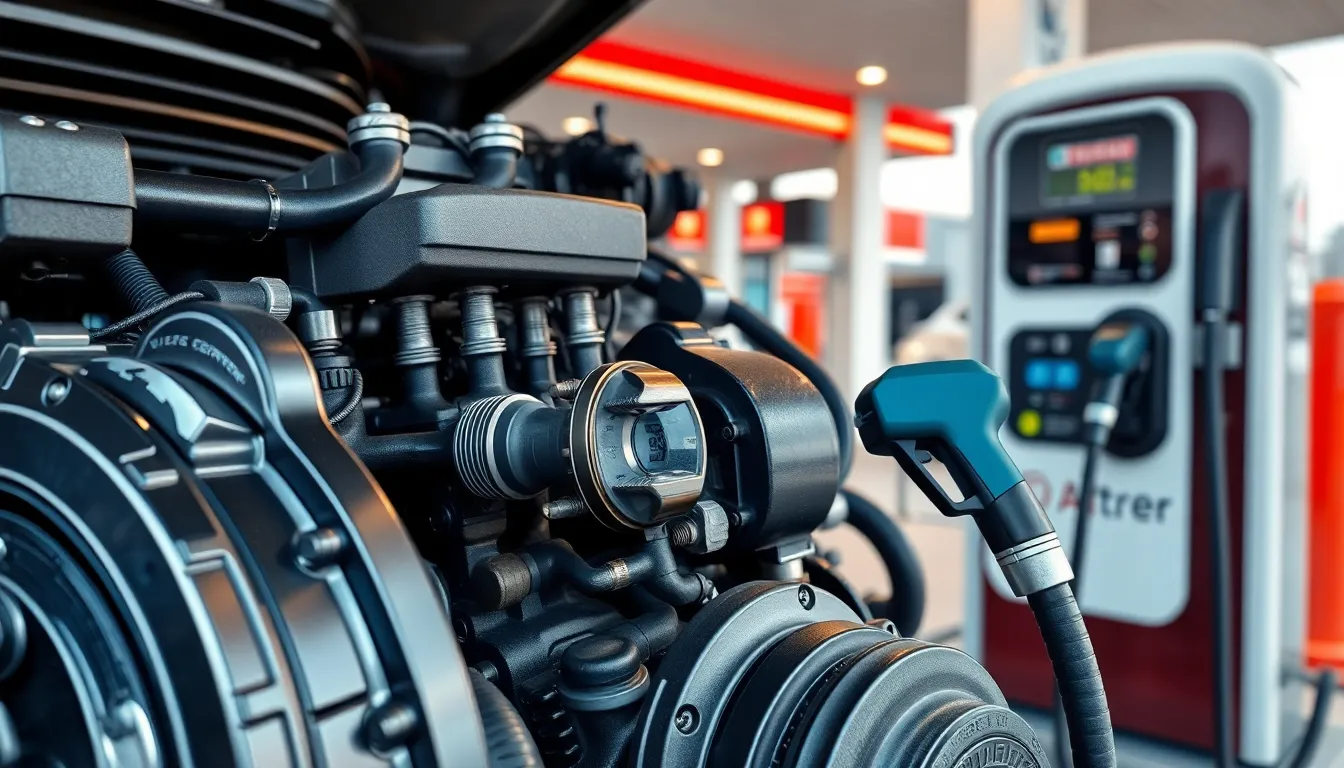
Gasoline vehicles operate using internal combustion engines, which rely on gasoline as fuel. Their design includes a complex powertrain comprising multiple components that work together for propulsion.
Engine and Powertrain Differences
Internal combustion engines convert fuel into mechanical energy through a combustion process. They generate power by igniting gasoline and air in cylinders, driving pistons that turn the crankshaft. Gearboxes then transmit this rotational force to wheels. Compared to electric motors, gasoline engines are generally less efficient and require more maintenance due to their moving parts. Emissions from exhaust systems further distinguish them, producing harmful pollutants that electric cars do not.
Fuel Sources and Refueling
Gasoline vehicles depend on fossil fuels, primarily gasoline derived from crude oil. Refueling occurs at gas stations, with numerous locations available nationwide. Drivers often experience longer wait times during refueling compared to electric vehicle charging. Additionally, the price of gasoline fluctuates based on market factors, adding uncertainty to driving costs. In contrast, electric vehicle charging offers more stable pricing, stemming from electricity costs.
Performance Comparison
Electric cars and gasoline vehicles differ significantly in performance metrics. Understanding these differences provides insight into their respective strengths.
Acceleration and Speed
Electric cars excel in acceleration due to their electric motors delivering immediate torque. Drivers often experience smooth power delivery from a standstill, allowing for quick starts. This instant power means many electric vehicles can outperform traditional gasoline cars in terms of rapid acceleration. Gasoline vehicles, while capable of high speeds, rely on internal combustion engines that require time to build power. Therefore, electric vehicles often achieve 0 to 60 miles per hour faster than their gasoline counterparts.
Range and Efficiency
Range and efficiency further separate electric cars from gasoline vehicles. Electric vehicles typically offer a range varying between 150 to 370 miles per charge, influenced by battery capacity and driving conditions. Efficiency in electric cars is higher, converting over 60% of electrical energy from the grid into movement, unlike gasoline engines that convert only about 20% of fuel energy. Charging an electric vehicle can take roughly 30 minutes at a fast-charging station, while gasoline cars require just a few minutes to refuel. Electric cars capitalize on regenerative braking to recover energy, enhancing their overall efficiency and maximizing driving range.
Environmental Impact
Electric cars significantly reduce environmental damage compared to gasoline vehicles. They operate without producing tailpipe emissions, which lowers air pollution and contributes to better air quality.
Emissions and Pollution
Gasoline vehicles emit harmful pollutants, including carbon dioxide, nitrogen oxides, and particulate matter. These emissions contribute to climate change and health problems. In contrast, electric vehicles produce zero tailpipe emissions, decreasing urban smog levels. According to the EPA, transportation accounts for about 29% of total greenhouse gas emissions in the U.S., highlighting the importance of cleaner alternatives like electric cars. Electric power generation does create emissions; however, the overall impact remains lower than gasoline engines, especially when powered by renewable resources.
Sustainability Factors
Sustainability plays a crucial role in the electric vehicle sector. Battery production does require significant resources, yet advancements in recycling technologies are improving sustainability practices. Companies are focusing on using sustainable materials and increasing battery life, which reduces waste. Transitioning to electric vehicles aids in meeting climate goals, as electric cars can work with renewable energy sources like solar and wind. This synergy supports a shift toward a sustainable transportation system that reduces dependence on fossil fuels and promotes a cleaner environment.
Costs and Maintenance
Electric vehicles (EVs) often present a different financial picture compared to gasoline vehicles. Initial costs may be higher, but savings accumulate over time.
Initial Investment
Purchasing electric vehicles usually involves a considerable upfront investment. Prices for new electric models range from $25,000 to over $100,000 depending on features and brand. Federal and state incentives can reduce this financial burden, making EVs more accessible. Battery technology plays a significant role in pricing, influencing how much consumers pay. However, many electric cars come equipped with advanced technology features that may justify this initial expense.
Long-Term Expenses
Electric vehicles typically incur lower long-term expenses. Maintenance costs are reduced because EVs have fewer moving parts than gasoline engines. Oil changes aren’t necessary, and brake wear may decrease thanks to regenerative braking systems. Charging expenses often remain stable, averaging about $0.13 per kilowatt-hour. Over a year, drivers can save an average of $800 to $1,000 compared to gasoline-fueled cars, depending on driving habits. Overall, lower operating costs align with the growing trend toward sustainable transportation.
The shift from gasoline vehicles to electric cars marks a significant evolution in transportation. With their quiet operation and impressive efficiency electric vehicles offer a unique driving experience that aligns with modern sustainability goals. The benefits of reduced maintenance costs and zero tailpipe emissions further underscore their appeal.
As technology continues to advance the infrastructure for electric vehicles will only improve making them more accessible. This transition not only promotes better air quality but also supports a cleaner future for the planet. Embracing electric cars is more than just a trend; it represents a fundamental change in how society approaches mobility and environmental responsibility.