
In a world where gas prices are climbing faster than a cat on a hot tin roof, Toyota’s electric vehicles are here to save the day—and your wallet. With a reputation for reliability and innovation, Toyota’s electrifying lineup is not just about saving the planet; it’s about making your driving experience smoother than a buttered slide.
Overview of Toyota Electric Vehicles
Toyota focuses on developing electric vehicles (EVs) that meet modern demands for sustainability and efficiency. The brand’s approach highlights its commitment to reducing carbon emissions and promoting environmentally friendly technologies. Current models include the Toyota bZ4X, a battery electric vehicle designed to offer a blend of performance and practicality.
Market data indicates that Toyota aims for significant expansion in its EV lineup by introducing several models by 2030. Anticipated offerings will include diverse body styles to cater to various consumer preferences. The production process utilizes advanced technologies to extend battery life while enhancing overall vehicle performance.
Range anxiety represents a common concern for EV drivers. However, Toyota addresses this by prioritizing charging infrastructure partnerships, aiming to provide convenient access to charging stations. The company’s commitment to innovation is evident in the development of solid-state batteries, which promise to deliver faster charging and longer ranges.
Customer feedback continues to play a vital role in Toyota’s design process for electric vehicles. Engaging with consumers ensures the vehicles meet their expectations for functionality and design. As the market evolves, Toyota remains dedicated to integrating advanced safety features and driver-assistance systems within its electric models.
Competitors are also expanding their electric offerings. However, Toyota distinguishes itself through its rich heritage of reliability, already established in hybrid technology. With a strategic focus on electric vehicles, Toyota stands poised to shape the future of the automotive industry.
Key Models of Toyota Electric Vehicles
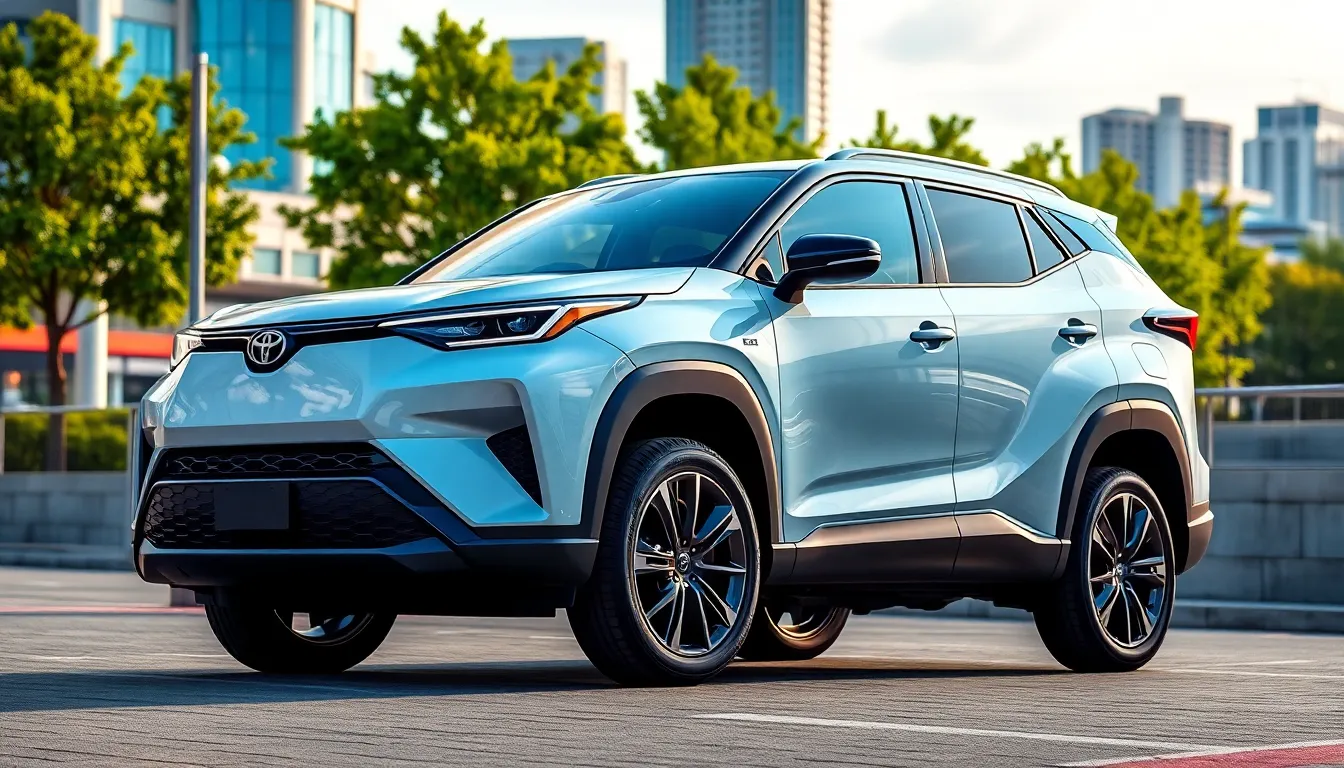
Toyota’s electric vehicle lineup includes innovative models designed to meet diverse consumer needs. Notable entries reflect the brand’s commitment to sustainability and advanced technology.
Toyota bZ4X
The Toyota bZ4X represents a major step towards the company’s electrification strategy. This all-electric SUV offers a dynamic driving experience with an estimated range of up to 250 miles, making it suitable for various lifestyles. Innovative features, such as a modular architecture, provide enhanced performance and flexibility. Safety is prioritized with advanced driver-assistance systems included as standard equipment. With a spacious interior and a user-friendly infotainment system, the bZ4X balances practical design and cutting-edge technology.
Toyota RAV4 EV
A staple in the electric vehicle segment, the Toyota RAV4 EV combines efficiency and performance. Equipped with a robust electric motor, it delivers strong acceleration and a range of approximately 100 miles on a single charge, appealing to urban drivers. Its spacious cabin comfortably accommodates passengers and cargo alike. Several advanced safety features contribute to the overall reliability of the RAV4 EV. Considered for families and individuals alike, it underscores Toyota’s commitment to producing versatile and environmentally-friendly vehicles.
Technology Behind Toyota Electric Vehicles
Toyota emphasizes advanced technology in its electric vehicle lineup, focusing on battery innovation and charging infrastructure to enhance user experience.
Battery Technology
Battery development plays a crucial role in electric vehicles. Toyota invests heavily in solid-state batteries, aiming for faster charging times and longer ranges. This technology can reduce charging durations to under 30 minutes. Current models utilize lithium-ion batteries, offering a range of up to 250 miles for the bZ4X. Enhanced energy density increases efficiency, which directly improves performance. Future plans include expanding battery recycling solutions to minimize environmental impact. An innovative approach targets reduced weight and volume in battery design, further optimizing vehicle dynamics.
Charging Infrastructure
Toyota prioritizes building a reliable charging infrastructure to reduce range anxiety. Partnerships with charging networks will expand availability across urban and rural areas. Aim for over 10,000 charging stations by 2030 to ensure convenient access. Innovative fast-charging solutions will decrease downtime during longer journeys. Hybrid models will also support sustainable energy sources, encouraging eco-friendly power stations. With these developments, users will experience seamless living with electric vehicles. The focus on user connectivity ensures integration with smartphone apps for real-time charging status updates.
Advantages of Toyota Electric Vehicles
Toyota electric vehicles offer several key benefits that enhance their appeal to consumers. Efficiency distinguishes Toyota’s electric models, allowing drivers to save on fuel costs and reduce their carbon footprint. The combination of advanced battery technology and innovative design contributes to improved performance, particularly evident in models like the bZ4X, which boasts an estimated range of up to 250 miles.
Safety features integrated into Toyota’s electric vehicles promote secure driving experiences. Innovations include advanced driver-assistance systems, giving drivers peace of mind on the road. Convenience plays a significant role as well, with infotainment systems designed for user-friendliness, ensuring drivers stay connected without distraction.
Environmental impact remains a priority for Toyota. Its commitment to sustainability includes not only the development of electric vehicles but also the exploration of battery recycling solutions that minimize waste. Relying on partnerships for charging infrastructure, Toyota addresses range anxiety by aiming for over 10,000 charging stations by 2030.
Performance remains at the forefront of Toyota’s electric strategy. Solid-state batteries promise faster charging times under 30 minutes, enhancing usability for everyday drivers. Customer feedback shapes the design of these electric vehicles, aligning them with user expectations for both efficiency and functionality.
Flexibility stands out through Toyota’s diverse lineup, catering to various consumer preferences with hybrid options that support sustainable energy sources. Connectivity enhances the driving experience by integrating smartphone applications for real-time charging updates, ensuring drivers stay informed.
Challenges Faced by Toyota Electric Vehicles
Toyota encounters significant challenges while advancing its electric vehicle (EV) initiatives. Competition within the EV market intensifies, with numerous automakers aggressively launching their electric models. As a result, Toyota must work diligently to maintain and grow its market share. Current models like the bZ4X and RAV4 EV showcase innovation, but competing brands also prioritize efficiency and performance.
Range anxiety presents another major hurdle for consumers. Even as Toyota targets the production of solid-state batteries, users often worry about available charging infrastructure. Toyota plans to have over 10,000 charging stations by 2030 to alleviate these concerns, though this goal still requires extensive effort and coordination.
Battery technology remains a crucial factor. Significant investments in solid-state batteries promise improved performance, but development can take years. Competitors are also exploring similar technologies, urging Toyota to expedite breakthroughs in battery efficiency and charging times.
Another challenge lies in consumer perceptions. Despite Toyota’s established reliability, some consumers remain skeptical about adopting fully electric vehicles. Addressing these concerns requires engaging marketing strategies and educational efforts to showcase the advantages of Toyota’s EV lineup.
Moreover, environmental regulations continually evolve. Adhering to stricter emissions standards can pressure Toyota to innovate more rapidly. The company must also address sustainability in production processes to minimize its overall ecological impact.
These challenges shape Toyota’s approach to electrification. Prioritizing emerging technologies and infrastructure will remain essential for maintaining its competitive edge in the future of electric vehicles.
Toyota’s commitment to electric vehicles represents a transformative shift in the automotive landscape. With innovative models like the bZ4X and RAV4 EV, the brand is not just addressing the demand for sustainable transportation but also enhancing the driving experience.
As Toyota continues to invest in battery technology and charging infrastructure, it’s poised to meet the challenges of the evolving market. The focus on consumer feedback ensures that future models will align with drivers’ needs and preferences.
With ambitious plans for expansion by 2030, Toyota aims to solidify its position as a leader in the electric vehicle sector, paving the way for a greener and more efficient future.